
The Allure of Chance and Uncertainty
The fundamental appeal of casino games lies in the inherent unpredictability they offer. Players are irresistibly drawn to the excitement of not knowing the outcome, which creates a thrilling atmosphere that keeps them engaged for hours. Cognitive studies have shown that the human brain is hardwired to seek out uncertainty. This is particularly relevant in games like slots or roulette, where the element of chance stimulates dopamine release, enhancing the pleasurable experience of playing. Many also explore various sports betting sites that add another layer of excitement, as they chase the adrenaline rush associated with potential winning moments.
Moreover, the concept of “near misses” plays a significant role in maintaining player interest. When a player almost wins—such as landing on two out of three symbols needed for a jackpot—they experience a heightened emotional response that can often lead to continued play. This psychological phenomenon, where players feel that they are just one step away from success, promotes a cycle of gambling more in the hope of achieving that elusive payout. Such near misses can create a false sense of destiny, encouraging players to believe they are due for a win, which further fuels their gambling behavior.
Additionally, the balance between skill and luck is crucial in many casino games. While some games, like poker, require strategic thinking and skill, others, such as slots, rely solely on chance. This blend attracts a wide range of players, from those who thrive on the thrill of luck to those who prefer skill-based competition. Understanding this balance allows casinos to design games that cater to diverse preferences, ensuring a broader appeal and sustained player engagement. The strategic placement of games in casinos often reflects this understanding, as operators seek to balance the offerings to draw in various types of gamblers.
The Role of Colors and Sounds
The sensory experience within casinos is meticulously crafted to enhance player immersion. Bright lights, vibrant colors, and enticing sounds create a stimulating environment that captures attention and encourages prolonged play. For instance, the use of red and gold in game design is not arbitrary; these colors are known to evoke feelings of excitement, passion, and luxury. Casinos strategically employ color psychology to trigger positive emotional responses, making visitors feel more inclined to engage with the games offered. This careful selection of colors not only beautifies the environment but also plays a crucial role in enhancing the overall gaming experience.
Moreover, the auditory landscape within casinos significantly contributes to the overall experience. The sounds made by slot machines when players win, combined with upbeat music, create a euphoric atmosphere that reinforces the enjoyment of playing. These auditory cues can create a sense of urgency and excitement, prompting players to continue betting and immerse themselves deeper into the gaming experience. Such sensory overload is designed to create a captivating environment that keeps players engaged, often leading them to lose track of time and money.
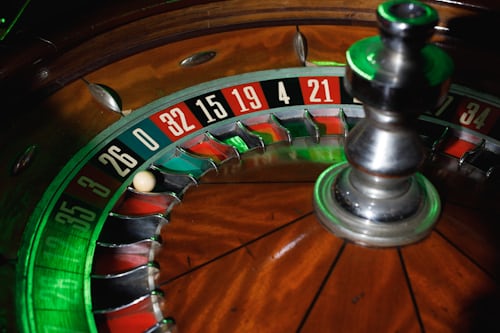
Interestingly, research has shown that the mix of sounds in a casino can affect the amount players wager. A lively and energetic atmosphere tends to encourage players to bet more, while a quieter environment may lead to more conservative betting behaviors. This knowledge has led many casinos to carefully curate their auditory environments, using sound to manipulate emotions and influence player behavior. By orchestrating an atmosphere that stimulates excitement and engagement, casinos can maximize their guests’ spending and extend their gaming sessions.
The Effect of Social Interaction
The social aspect of casino games cannot be underestimated. Many players enjoy the camaraderie that comes with group participation in games like blackjack or poker. The ability to interact with other players and share in the highs and lows of the game creates a communal atmosphere that enhances the overall experience. Social engagement in gaming not only makes the experience more enjoyable but also serves to reinforce the desire to keep playing. This social dimension can enhance the thrill of the game, making it less about individual wins and more about shared experiences among friends and fellow players.
Additionally, social pressure can significantly influence behavior at the gaming table. Players often feel compelled to match the bets of their peers or participate in larger stakes because of the group dynamic. This social interplay can lead to riskier decisions and higher stakes, as players seek to impress others or maintain their social standing within the group. The desire for acceptance and validation can drive players to engage in behaviors they might otherwise avoid, altering their approach to gambling and potentially leading to larger losses.
Furthermore, modern casinos have adapted to this social trend by incorporating aspects of technology. Players can now engage with online platforms where they can interact with others in real-time. These online environments replicate the social dynamics of traditional casinos, allowing individuals to experience the thrill of competition and community without being physically present. This adaptation has expanded the reach of casino gaming, appealing to a broader audience drawn in by the social facets of play, ultimately transforming the way casino games are experienced in the digital age.
Loss Aversion and Player Behavior
Loss aversion is a psychological principle that explains why players often continue gambling despite losing streaks. The pain of losing is perceived to be significantly greater than the pleasure derived from winning. This principle compels players to recoup losses, leading them to gamble even more aggressively in hopes of balancing their perceived losses. Understanding this behavior is essential for casinos, as it highlights why many players remain dedicated to the gaming experience despite unfavorable outcomes. The psychological impact of loss aversion can create a cycle where players feel trapped, continually trying to escape their losses through more gambling.

Additionally, the concept of “sunk cost fallacy” often influences a gambler’s decision-making. Players may feel an emotional investment in their games, leading them to continue playing even when the odds are against them. This psychological trap can result in larger bets and prolonged play, as individuals cling to the hope of turning their fortunes around. Casinos leverage this understanding, offering promotions and rewards that keep players engaged, reinforcing the cycle of gambling even amid losses. The more invested a player becomes, the harder it is to walk away, allowing casinos to benefit from their sustained participation.
The psychological grip of loss aversion can also be linked to the design of games themselves. Many casino games are built on the premise of small, frequent wins, which can create an illusion of success. These wins keep players engaged and encourage them to ignore their losses, making it easier to continue betting. By maintaining a balance of wins and losses, casinos can create an environment where players feel motivated to play, often at the expense of their better judgment. This design strategy ultimately encourages players to remain in the game longer, increasing the likelihood of further losses.
Exploring More About Casino Psychology
Understanding the psychology behind casino games is a fascinating journey into the ways human behavior is influenced by design, environment, and social interactions. The principles discussed here reflect a sophisticated understanding of player motivations and the psychological triggers that drive gambling behaviors. This knowledge can empower players to be more conscious of their decision-making processes and help them strike a balance between entertainment and responsible play. As players become more aware of these psychological factors, they can make informed choices that enhance their overall gaming experience.
For those intrigued by these concepts, further exploration can lead to a deeper appreciation of the gaming experience. Engaging with resources that delve into the psychological factors of gambling can provide valuable insights, aiding players in understanding their motivations and behaviors within casino settings. Such knowledge can enhance their gaming experience, allowing for a more informed approach to gambling that prioritizes enjoyment without compromising personal well-being.
As discussions about responsible gambling grow, having a clear understanding of the psychology behind these games becomes increasingly crucial. By educating ourselves on the factors that influence our decisions, we can create a healthier relationship with gambling, ensuring it remains a form of entertainment rather than a source of distress. For more information and discussions on the psychology of casino games, staying engaged with reputable gaming resources that prioritize player education and advocacy is essential. These resources can offer insights into responsible gaming practices and help players navigate the complexities of the casino experience.