
The allure of risk-taking
Risk-taking is a fundamental aspect of human behavior that intertwines with our inherent desire for excitement and novelty. In the context of casino gaming, this allure is vividly embodied in the thrilling atmosphere where fortunes can change in a heartbeat. The anticipation and adrenaline rush felt when placing a bet or spinning a slot machine can induce a euphoric state that is often equated with the gambling experience itself, especially when players engage with an online casino that accept neosurf that offers unique payment options. This excitement can lead to a compulsive cycle in which players chase their next high, heavily influenced by their past experiences of winning or losing, creating a complex emotional landscape.
Moreover, the psychology of reward significantly enhances the appeal of gambling. Casinos are meticulously designed to tap into this innate desire by providing intermittent rewards that create a cycle of reinforcement. Winning, even in minimal amounts, releases dopamine in the brain, which reinforces the behavior and keeps players returning for more. This phenomenon illustrates why individuals might continue to gamble despite facing considerable losses, as the thrill of a potential win often overshadows rational judgment and financial prudence, leading them deeper into a cycle of risk without fully grasping the consequences.
Additionally, cultural and social factors play a pivotal role in shaping the risk-taking tendencies observed among casino patrons. Many cultures romanticize gambling as a potential avenue to instant wealth and elevated status. This narrative fosters a belief that taking risks is not just acceptable but even celebrated. Social proof further amplifies this allure; when players witness others enjoying victories, they feel compelled to join in the pursuit of that exhilarating experience, often disregarding the underlying odds and risks associated with their games.
The impact of environment on gambling behavior
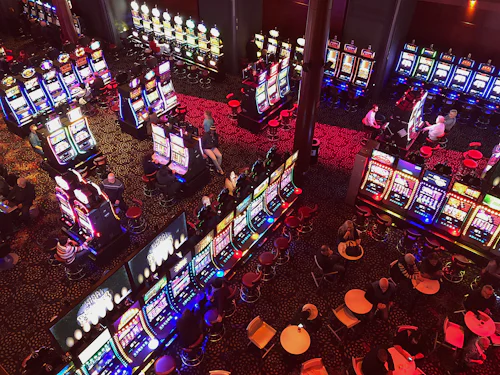
The physical and psychological environment of a casino has a profound influence on player behavior. Typically, casinos are designed to create an immersive experience, featuring bright lights, engaging sounds, and enticing scents, all intended to captivate players and keep them engaged with the games. This carefully crafted environment can lead to disorientation and a loss of time awareness, often encouraging prolonged gambling sessions. As players become absorbed in this stimulating environment, they may overlook their financial constraints or the potential consequences of their gaming decisions, blurring the lines between entertainment and compulsion.
Social interactions within casinos also significantly shape gambling behavior. Many individuals visit casinos not solely for the thrill of the games but also for the social aspect of gambling. Interacting with friends or even strangers can amplify the excitement, creating a communal atmosphere that fosters engagement and enjoyment. This social dynamic can sometimes lead to the “gambler’s fallacy,” where players mistakenly believe their chances of winning improve after a streak of losses, driven by collective hope and shared experiences that distort their perception of luck and odds.

Furthermore, the strategic placement of games and amenities throughout casinos can manipulate player behavior in subtle yet profound ways. For instance, high-stakes games are often situated within sight of more affordable options, enticing players to try their luck at making larger bets. This design is so meticulously thought out that it often goes unnoticed; however, it plays a critical role in influencing player decisions and prolonging their time spent within the casino, ultimately skewing their perception of risk and reward as they become increasingly immersed in the gaming environment.
The role of emotions in decision-making
Emotions play a crucial role in the decision-making processes involved in gambling. Players frequently experience a rollercoaster of feelings, ranging from the exhilaration of a significant win to the despair following a loss. These emotional highs and lows can cloud judgment, making it challenging for players to maintain a clear perspective on their gambling habits. For example, after experiencing a big win, a player might feel invincible, prompting them to take larger risks, while the pain of losses can lead to a desperate attempt to recover, creating a dangerous cycle of chasing losses that only exacerbates their financial troubles.
The connection between emotions and gambling is not merely anecdotal; it is supported by psychological theories, particularly the affect heuristic, which suggests that individuals often rely on their emotions to make quick decisions instead of evaluating the actual risks involved. This leads to players ignoring statistical odds or potential consequences, as they opt to follow their emotions, often resulting in impulsive choices that can have detrimental effects on their financial well-being.
Moreover, the development of gambling addiction is closely tied to emotional regulation. Many individuals use gambling as a coping mechanism to escape from stress, anxiety, or depression. This reliance on gambling for emotional relief can create a hazardous cycle where short-term relief leads to long-term negative outcomes, perpetuating the need for more gambling to achieve the same emotional highs. Understanding these emotional dynamics is crucial for addressing problematic gambling behaviors and developing effective intervention strategies that can help individuals reclaim control over their lives.
The psychological profile of casino players
Certain psychological traits may predispose individuals to engage in gambling behavior. Research has indicated that players who exhibit higher levels of sensation-seeking are often more attracted to casinos, as they actively seek out stimulating experiences that provide excitement and unpredictability. These individuals often thrive in environments where chance plays a pivotal role, frequently disregarding the potential negative repercussions on their lives. This drive for sensation can be linked to broader patterns of risk-taking across various domains, not limited to gambling, highlighting a deeper psychological framework that governs their behavior.
Additionally, cognitive biases play a significant role in understanding the psychology of casino players. Many gamblers fall victim to misconceptions about their chances of winning, often convinced they possess superior skills or strategies that give them an edge, despite the inherent randomness of the games. These biases can sustain unhealthy gambling habits, as players convince themselves they can beat the odds, leading them to invest more time and money than they initially intended, often spiraling into financial distress.
Moreover, external factors such as socioeconomic status and personal history can profoundly influence an individual’s relationship with gambling. Those from disadvantaged backgrounds may view casinos as a potential means to improve their financial situation, resulting in higher participation rates in gambling activities. This perception creates a paradox where individuals who can least afford to gamble are often the most drawn to it, emphasizing the critical need to understand the broader social implications of gambling behaviors and the underlying psychological motivations that drive them.
The importance of responsible gambling resources
As the complexities of gambling psychology continue to unfold, promoting responsible gambling practices becomes increasingly vital. Numerous organizations and establishments are focusing on educating players about the risks associated with gambling. These resources emphasize the importance of setting limits, understanding the odds, and recognizing the signs of problem gambling. By empowering players with knowledge, they can make more informed decisions and engage in gambling activities with a greater sense of responsibility, thereby reducing the prevalence of gambling-related issues.
Furthermore, many casinos are now integrating responsible gambling initiatives into their operations. This may include offering self-exclusion programs, providing access to support resources, or implementing technology that helps players track their spending behaviors. By fostering a culture of responsibility within gaming establishments, industry leaders can play a crucial role in mitigating the negative impacts of gambling and curbing addiction rates. Such initiatives not only protect players but also contribute to a more sustainable and ethical gaming environment.
Online resources and support networks have also emerged as vital tools in promoting responsible gambling. Websites dedicated to gambling addiction and recovery provide comprehensive information and support for individuals struggling with their habits. These platforms often offer counseling services, forums for sharing experiences, and strategies for recovery, emphasizing that seeking help is a sign of strength rather than failure. By making these resources widely available, the gaming industry can positively influence player behavior and contribute to a healthier gambling environment, ultimately promoting well-being and responsible engagement with gaming activities.